Ferret Vets Near You

Ferrets have very specific health, dietary and behavioural needs that differ significantly from cats, dogs and other small pets. When something is not right, they can deteriorate quickly, so access to a ferret vet experienced in ferret medicine is essential.

From routine health checks and diet advice to diagnosing illness, managing hormonal conditions and providing supportive care as they age, ferret vets understand how to assess these unique animals properly.

Whether your ferret is showing signs of illness or you are simply looking to stay ahead of potential issues, the right veterinary support makes a real difference to their long-term health and quality of life.

Experts in ferret health

Experts In Ferret Health

Unusual Pet Vets are experienced ferret vets across Perth, Melbourne, Adelaide, Canberra and Sydney who understand the unique medical and husbandry needs of ferrets. From routine health checks to diagnosing complex conditions, our clinics are equipped to provide informed, species-appropriate care at every life stage.

Ferrets require veterinary support that goes beyond standard small animal care. Hormonal disease, strong odour in entire ferrets, dental issues and rapid changes in health are all common concerns that need early and experienced assessment. Our ferret vets are familiar with these challenges and can provide clear advice, treatment options and ongoing management tailored to ferrets.

Preventative care plays a major role in long-term health. Services such as vaccination planning, parasite control, heartworm prevention and desexing help reduce health risks and support a better quality of life. With the right veterinary guidance, ferret owners can stay ahead of problems rather than reacting to emergencies.
Prevention Is The Best Medicine!

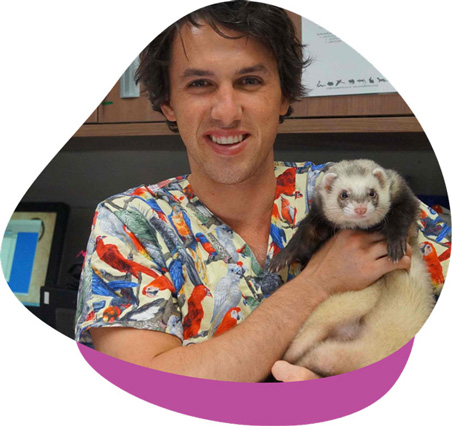
Sadly, ferrets are susceptible to several medical conditions, especially adrenal disease and intestinal blockages (a consequence of scoffing down scores of inedible items that have no business in their little bodies).

Like other animals, ferrets will exhibit signs and symptoms that they are not well. We will teach you what these are so when the time comes they will be able to get the treatment they need as soon as possible.

Ferret Care

Additional Information

We’ve put together a collection of ferret care and information sheets to help you feed ferrets properly, identify diseases that often occur, and how to generally care for your beloved pet.

Ferrets Are Best Treated by a Trusted Ferret Veterinarian With in-depth Knowledge of Ferret Medicine

Our experienced team of ferret vets based in Perth, Melbourne, Adelaide, Canberra and Sydney will provide your ferret with advanced veterinary care. The diverse range of services we offer will give your ferret the opportunity to live a life every ferret hopes for. The services we offer include:

Health check-ups including dietary and housing requirements

Ferret vaccinations to prevent illness and disease

Medical advice and advanced testing

Ferret heartworm and flea treatment

Ferret desexing

Surgery and hospital care

Dental work

Experienced, highly-qualified team with a wealth of knowledge and expertise in dealing with all types birds

High-tech laboratory and the latest equipment, including onsite surgical and anaesthesia facilities

Patient Story

Princess the ferret came in for a scheduled dental scale at our Peninsula clinic.

Ferrets benefit greatly from a regular dental care plan as they are prone to developing dental tartar build up and gingivitis. We recommend basic teeth brushing a few times a week (ideally daily) however understand that in most cases that is a lot easier said than done! Many ferrets won’t tolerate brushing very well and in those cases a dental scale and polish once every 12-36 months helps greatly with maintaining healthy teeth!

Princess was anaesthetised and we performed the dental procedure. The tartar build-up was scaled away and a periodontal probe was used to check and clean below the gum line. We finished by polishing Princess’ teeth until they were pearly white and sparkling!

Princess was on her best behaviour and earned herself our ‘Patient of the Day’ award.

Princess ferret page

FAQs

Do ferrets need regular vet check-ups?

Yes, ferrets should have regular vet check-ups to monitor their overall health. Annual or biannual check-ups help identify early signs of health issues such as dental disease, weight fluctuations, or skin problems. These visits also allow the vet to update vaccinations, discuss diet, and provide advice on general care.

Ferrets are obligate carnivores, meaning they need a high-protein, meat-based diet. A commercial ferret food that is high in protein and fat is ideal. Supplementing with fresh meats and avoiding sugary or high-carb treats is important for their digestive health. Your vet can recommend specific brands or dietary adjustments based on your ferret’s age, activity level, and health status.
Yes, ferrets can be trained to use a litter tray, and many owners successfully litter train their ferrets. Start by placing the litter box in a consistent location and encourage your ferret by placing some used litter or a piece of cloth from their bedding inside. Over time, they will associate the litter box with toileting. Positive reinforcement and consistency are key to success.
Ferrets naturally have a musky smell, which is stronger in unneutered males. Neutering can help reduce this scent. Additionally, poor hygiene, an unbalanced diet, or health issues like infections can exacerbate odour. Regular bathing, cleaning their cage, and ensuring they have a healthy diet can help minimise the smell. If the odour is unusual or overwhelming, it’s worth consulting your vet to rule out medical conditions.
Ferrets should be vaccinated against diseases like canine distemper and rabies (if required by law in your area). Your vet will provide a vaccination schedule tailored to your ferret’s age and lifestyle. Annual boosters are typically required to ensure ongoing protection. It’s essential to keep up with these vaccinations to prevent serious, life-threatening diseases.
Common health problems in ferrets include adrenal disease, insulinoma (a type of pancreatic tumour), dental disease, and gastrointestinal issues like foreign body ingestion or blockages. Early detection of these conditions is important for successful treatment. If you notice changes in your ferret’s behaviour, eating habits, or bathroom habits, seek veterinary attention promptly.
Yes, desexing (spaying or neutering) is generally recommended for ferrets, especially if they are kept as pets. Desexing helps prevent serious health issues like adrenal disease and reduces the likelihood of hormonally driven behaviour, such as aggression and scent-marking. It also prevents unwanted litters. Your vet can discuss the best desexing options for your ferret, whether surgical or medical.
Ferrets are naturally curious and may eat things they shouldn’t, like household items or non-food objects. If you suspect your ferret has ingested something dangerous or harmful, look for signs such as vomiting, diarrhoea, loss of appetite, or bloating. In these cases, contact your vet immediately for guidance, as certain objects can cause blockages or other health risks that require immediate attention.
Ferrets are good at hiding illness, but there are a few key signs to look out for: reduced appetite, changes in their behaviour (such as becoming more withdrawn or lethargic), weight loss, coughing, sneezing, or any unusual discharge from the eyes or nose. If you notice these signs or any other abnormal behaviour, it’s important to take your ferret to the vet for a full examination.
Yes, dental disease is quite common in ferrets, and it can lead to pain, difficulty eating, and even systemic infection if untreated. Signs of dental disease in ferrets include bad breath, drooling, difficulty chewing, and inflamed or bleeding gums. Regular dental check-ups, a proper diet, and occasional teeth cleaning can help prevent dental issues. If you notice any of these symptoms, it’s best to book an appointment with your vet for a dental examination.