Snake Veterinary Care

At The Unusual Pet Vets, we understand that snakes are fascinating, intelligent, and unique companions that require specialised care. Whether you’re a new snake owner or an experienced reptile enthusiast, ensuring your snake’s long-term health involves more than just the right enclosure, it also means being proactive about nutrition, husbandry, preventative care, and regular visits to an experienced snake vet.

Snake veterinary care

Why Snake Health Matters

Snakes can be masters at hiding signs of illness. By the time they show obvious symptoms, they may have been unwell for some time. That’s why a strong foundation in good husbandry, combined with regular snake veterinary care, is essential for keeping them healthy and thriving.

Common Health Issues in Snakes

There are a range of conditions that can affect pet snakes, including:

  • Respiratory infections – Often caused by suboptimal temperatures or humidity.
  • Mouth rot (infectious stomatitis) – A bacterial infection of the mouth lining.
  • Parasites – Both internal (like worms) and external (like mites).
  • Infectious diseases – Including viral infections such as Sunshinevirus and Ferlavirus.
  • Obesity or malnutrition – Due to improper feeding frequency or prey size.
  • Retained shed – Especially around the eyes (spectacles), which can cause long-term issues if not managed.
  • Injuries or burns – Often from incorrect heating elements or enclosure hazards.
  • Reproductive issues – Including egg binding or follicular stasis.
Snake health care
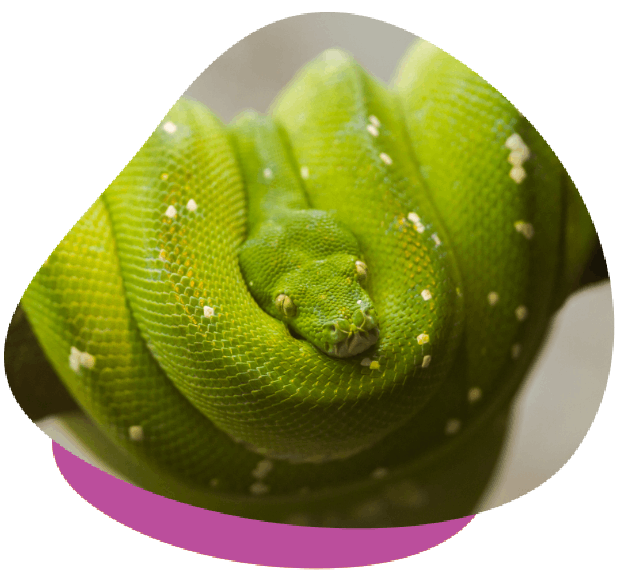
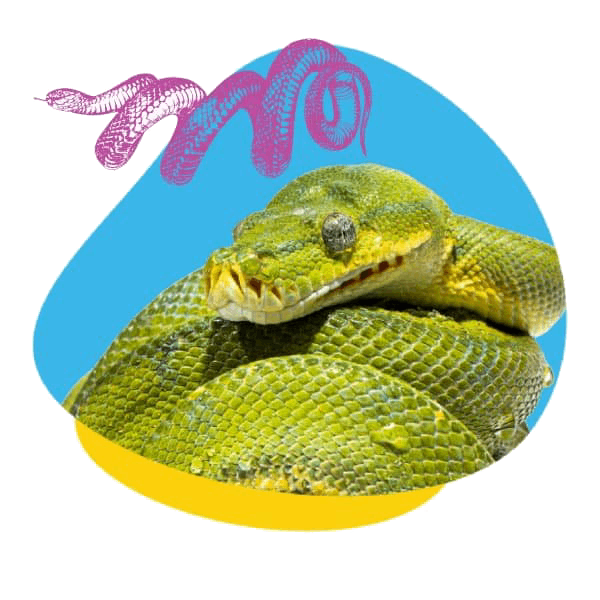
Green snake

Snake Health Checks

Our experienced team recommends yearly health checks for snakes, even if they appear healthy. These visits may include:

  • A full physical examination by an experienced snake vet
  • Weight and condition scoring
  • Discussion of husbandry, feeding, and enclosure setup
  • Parasite screening
  • Blood testing or imaging if required
  • Sexing (if your snake has not been definitively sexed yet)
  • We offer reptile specific diagnostic tools and a wealth of experience in interpreting the subtle signs that a snake may be unwell.
  • Reproductive Health and Sexing

Understanding your snake’s sex can help with behavioural understanding, enclosure pairing decisions, and monitoring for reproductive complications. We offer both external probing and ultrasound sexing, depending on the species and age of your snake. We also provide expert advice on breeding management and egg-laying health risks.

Regardless of the type, each snake is best treated by a trusted snake veterinarian with in-depth knowledge of snake medicine.

When Should You Visit a Snake Vet?

Snake require an extraordinary amount of care and attention. Sometimes deciding when exactly you should take your snake to the vet can be difficult.

For starters, it is always a good idea to take your snake to the vet shortly after you receive them in order to get them checked for any parasites that may later cause illness.

The following are signs and symptoms you should bring your snake in for expert veterinary care from a snake vet:

It is not looking alert, not active and tongue is not moving

Eyes and mouth aren’t clear

It is moving around the enclosure with an open mouth

It is not breathing normally

It is struggling to shed (usually snakes shed all in one go but if it is shedding in little pieces there may be a problem)

It is not eating regularly or omitting a foul odour when it opens its mouth

You notice any skin wounds or lumps

Preventative Care for Snakes

The best way to safeguard your snake’s health is through proper preventative and husbandry care, which includes:

  • Maintaining optimal temperature and humidity for your snake’s species
  • Providing appropriate substrate and enclosure furnishings
  • Feeding species-appropriate prey at the right size and intervals
  • Quarantining new reptiles before introducing them to your collection
  • Ensuring your snake has access to clean water and a clean environment
  • Regular vet checks by a qualified snake vet to detect issues early
Slitherstart snake

New to Snake Ownership?

Our SlitherStart Package is designed for new snake owners and includes a full health check, weight and husbandry review, parasite screening, microchipping (if applicable), and a personalised care guide to get you started on the right foot.

Book a Check-Up With a Snake Vet Today

No matter what species of snake you have, our reptile-savvy vets are here to help keep your scaly companion happy and healthy. We see snakes of all sizes, species, and experience levels, and our snake vets are always happy to answer your questions.

Book an appointment with your nearest Unusual Pet Vets clinic or get in touch for tailored and expert advice.

FAQs

How often should my snake have a vet check-up?
We recommend a health check at least once a year for pet snakes, even if they appear healthy. During a consultation, we assess body condition, weight trends, muscle tone, skin quality, shedding history and overall behaviour. We also review enclosure setup, temperatures, humidity and feeding routines, as husbandry issues are one of the most common causes of illness in snakes.
Most pet snakes eat whole prey such as rodents that are appropriately sized for their body width and species. Feeding prey that is too large, too frequent or nutritionally inappropriate can lead to regurgitation, obesity or digestive problems. We can help determine the correct prey size, feeding frequency and feeding method based on your snake’s species, age and health status.
Snakes may refuse food for several reasons, including stress, incorrect temperatures, seasonal changes, shedding cycles or illness. Short periods of fasting can be normal, but prolonged refusal to eat, especially when accompanied by weight loss or lethargy, should be assessed by a vet to rule out underlying disease.
Signs of illness can include weight loss, reduced muscle tone, abnormal or incomplete shedding, discharge from the mouth or nostrils, wheezing or clicking sounds when breathing, diarrhoea, swelling or changes in behaviour. Because snakes are very good at masking illness, even subtle changes should be taken seriously.
Yes. Respiratory infections are common in snakes and are often linked to incorrect temperature or humidity within the enclosure. Signs may include open-mouth breathing, nasal discharge, wheezing or increased effort when breathing. Early veterinary treatment greatly improves recovery and helps prevent long-term lung damage.
Yes. Incomplete shedding often indicates low humidity, dehydration or underlying illness. Retained shed around the eyes, tail tip or body can restrict circulation and lead to infection. A vet can help treat retained shed safely and advise on enclosure adjustments to prevent recurrence.
Snakes can develop both internal parasites and external parasites such as mites. Parasites may cause irritation, weight loss, anaemia or secondary infections. Regular health checks and faecal testing help detect parasites early so they can be treated effectively.
Snakes require secure enclosures with appropriate temperature gradients, correct humidity, adequate ventilation and multiple hiding areas to feel safe. Incorrect enclosure conditions can lead to chronic stress, suppressed immunity and illness. We can review your setup and recommend improvements specific to your snake’s species.
Yes. Sexing snakes requires specialised techniques performed by experienced professionals to avoid stress or injury. Knowing your snake’s sex can help with breeding plans, long-term health management and appropriate housing decisions.
Any injury, including cuts, burns, bite wounds or suspected trauma, should be assessed promptly. Even minor wounds can become infected quickly in reptiles. Early veterinary care reduces pain, infection risk and long-term complications.