Experienced Duck Vets

Ducks make wonderful and entertaining pets. They’re intelligent, social and full of personality, often forming strong bonds with their owners. Whether you keep a single duck as a companion or a small backyard flock, they deserve special veterinary care to help them live long, healthy lives.

At The Unusual Pet Vets, our experienced avian veterinarians are well-versed in the care of ducks and other waterfowl. From routine health checks and parasite prevention to reproductive surgery and advanced diagnostics, our clinics are fully equipped to provide comprehensive care tailored to your feathered friends.

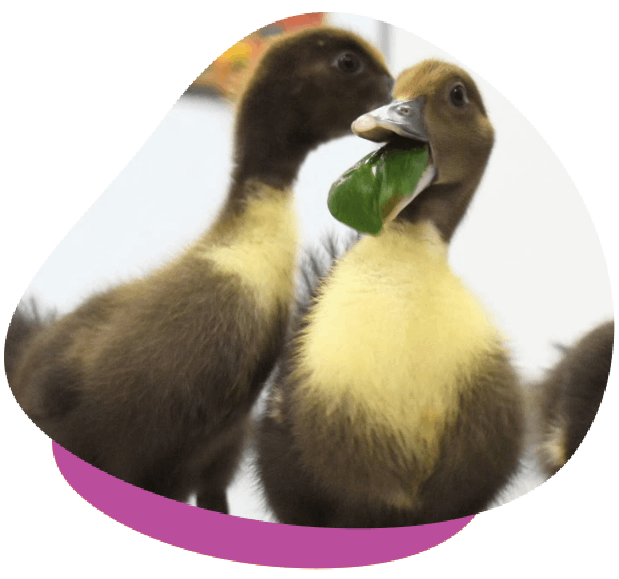
Two ducklings, one holding a green leaf in its beak

Why Choose The Unusual Pet Vets?

As Australia’s leading network of exotic and avian veterinary clinics, we understand that ducks have unique health and husbandry requirements that differ from chickens and other birds. Our dedicated team has extensive experience treating waterfowl, and our purpose-built facilities include everything from heated hospital wards to on-site laboratory testing and surgical suites.

Whether your duck needs a wellness check, a beak or nail trim, or investigation into more complex issues like egg binding or respiratory disease, we’re here to help.
What to Expect at your Duck’s Appointment

Each duck consultation begins with a gentle but thorough physical examination. We assess your duck’s eyes, beak, feathers, feet and body condition, and listen to their heart and lungs. Because many ducks’ health issues stem from their environment, we’ll also ask about your setup, including access to water, diet, housing, and hygiene practices.

If needed, our vets can perform diagnostic tests such as faecal parasite checks, radiographs (X-rays), or blood tests to further evaluate your duck’s health. We’ll then create a tailored plan to address any findings, including treatment, diet changes or husbandry recommendations.

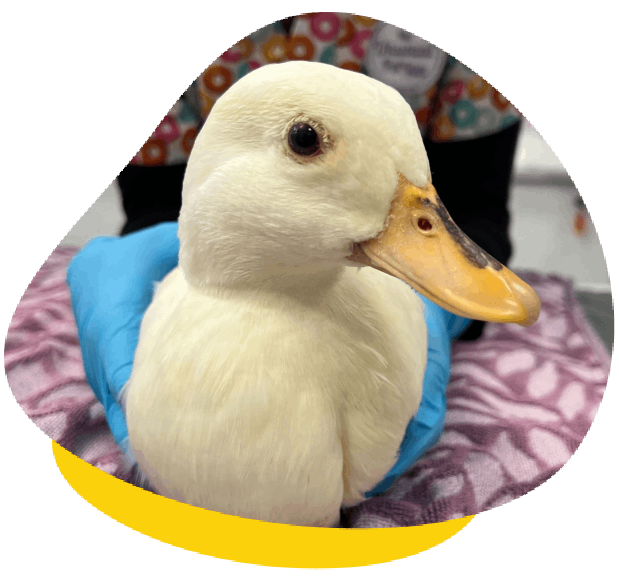
White duck sitting calmly while being gently held by a caretaker wearing blue gloves

Ducks Are Best Treated by a Trusted Duck Veterinarian With In-depth Knowledge of Avian Medicine.

Why Choose The Unusual Pet Vets?

The Unusual Pet Vets has a highly skilled team that keeps up to date with the best practices in nutrition, ideal bird home maintenance, care and treatment. In addition to medical care for your pets, we also offer professional advice, fact and care sheets, training courses, and documentation to ensure that your bird remains healthy and is well cared for.

Our team of avian veterinarians provides the latest in quality care and can help with:

DNA and surgical sexing

General health check-ups including dietary or husbandry discussions

Experienced, highly-qualified team with a wealth of knowledge and expertise in dealing with all types birds

Blood and faecal analysis

Advanced diagnostic imaging (x-rays, ultrasounds and CT)

High-tech laboratory and the latest equipment, including onsite surgical and anaesthesia facilities

Common Health Issues in Ducks

Even with the best care, ducks can develop health problems from time to time. Some of the most common issues we see include:

  • Parasites: Internal worms and external mites or lice are common and can cause weight loss, dull feathers and lethargy.
  • Bumblefoot (Pododermatitis): Inflammation or infection on the soles of the feet, often caused by rough surfaces or poor hygiene.
  • Respiratory Disease: Ducks are prone to respiratory infections, especially if kept in damp, poorly ventilated areas. Signs include sneezing, nasal discharge or open-mouth breathing.
  • Reproductive Disease: Female ducks can develop egg binding, yolk peritonitis or other reproductive tract issues, which may cause swelling, straining or a decrease in appetite.
  • Nutritional Deficiencies: Imbalanced diets, particularly those heavy in bread or human food, can lead to soft bones, lameness, or feather abnormalities.
  • Injuries: Broken wings, leg injuries or predator attacks may require urgent veterinary attention.

If you notice your duck acting unusually quiet, unsteady, or spending more time out of the water than normal, it’s best to have them checked promptly.

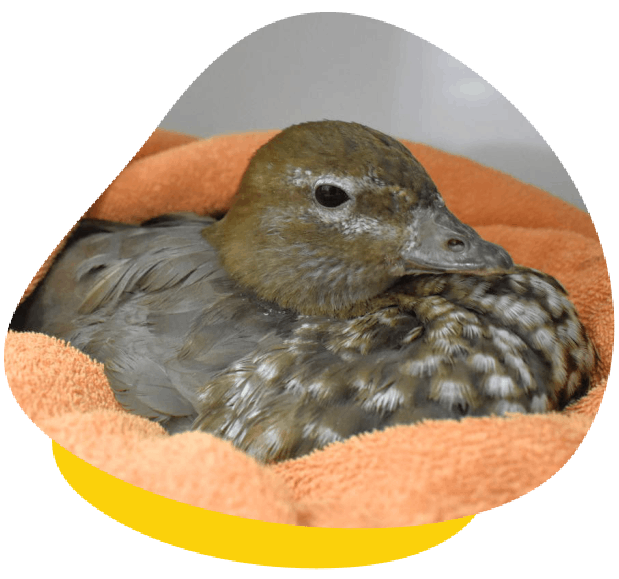
Brown duck resting comfortably while wrapped in a soft orange blanket
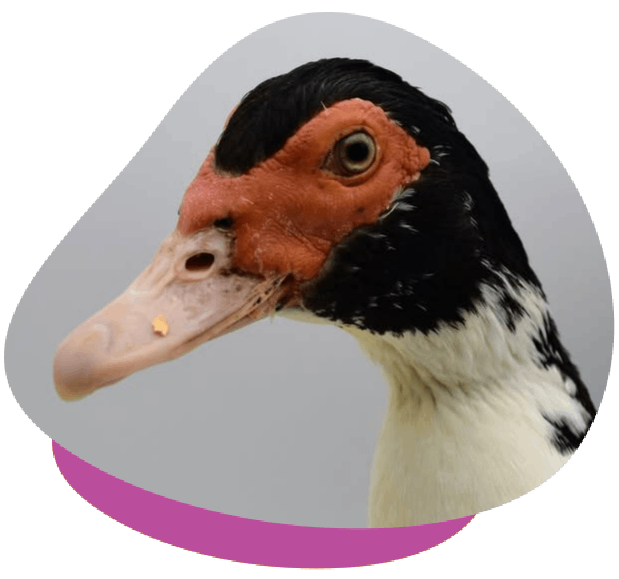
Close-up of a Muscovy duck with black and white feathers and red facial caruncles

Preventative Care and Husbandry

Good husbandry is the foundation of duck health. Ducks need access to clean water deep enough to submerge their heads, this allows them to clear their eyes and nostrils properly. The water should be changed frequently to prevent bacterial build-up.
A safe, dry and sheltered area is just as important. Ducks are susceptible to damp-related issues, so ensure their housing is well-ventilated and bedded with clean, dry material such as straw or wood shavings.

Nutrition plays a key role in keeping ducks healthy. A balanced commercial waterfowl or duck pellet should form the bulk of their diet, supplemented with fresh greens, vegetables and small amounts of grains or insects. Avoid feeding bread, crackers or processed foods, as these can cause digestive and nutritional problems.

Routine parasite prevention and regular health checks, ideally every 6 to 12 months to help catch issues early and ensure your ducks are in optimal condition year-round.

When to See a Vet

  • Bring your duck in for assessment if you notice:
  • Lethargy or reluctance to move or swim
  • Loss of appetite or weight loss
  • Limping, swelling or redness on the feet
  • Discharge from the eyes, nose or mouth
  • Straining or swelling around the vent
  • Change in droppings or reduced egg laying

Early veterinary attention can make all the difference to recovery and long-term health.

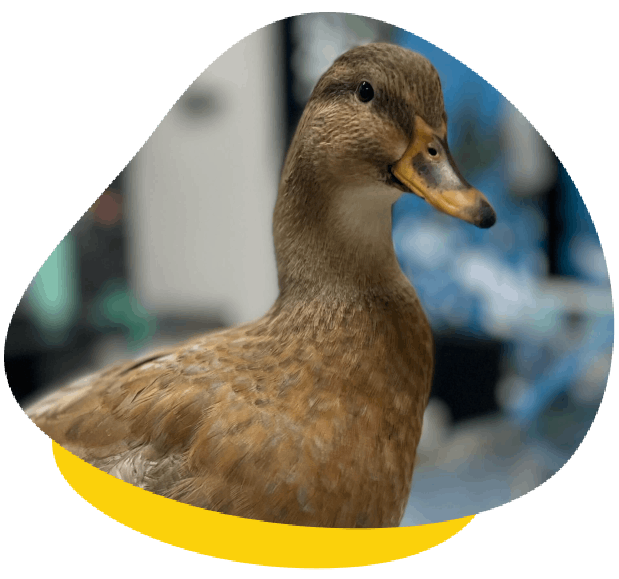
Brown duck standing upright and looking alert with a soft background

Expert Duck Care

From backyard companions to larger flocks, The Unusual Pet Vets team is passionate about providing exceptional care for ducks and other waterfowl. Whether you’re seeking advice on diet, housing and water quality or need treatment for a sick or injured bird, our avian-experienced vets are here to help.

If your duck is due for a check-up or showing signs of illness, book an appointment online or contact your nearest Unusual Pet Vets clinic today.

FAQs

How often should my duck have a vet check-up?

We recommend that ducks have a veterinary health check at least once a year, even if they appear healthy. During the visit, we assess body weight, feather condition, feet, eyes, breathing and overall posture, as well as review diet, housing and flock setup. Regular checks help us detect early disease, as ducks often hide signs of illness until they are quite unwell.

Pet ducks require a nutritionally balanced waterfowl or duck pellet as their primary diet. This provides essential vitamins and minerals that are difficult to achieve with scraps alone. Leafy greens, vegetables and limited grains can be offered as enrichment. Bread should be avoided, as it has little nutritional value and can contribute to poor growth, digestive problems and long-term health issues.
Feather loss may be caused by parasites such as mites or lice, nutritional deficiencies, stress, injury, moulting or feather pecking by other ducks. Poor feather quality can also indicate underlying illness. A veterinary examination allows us to assess skin health, rule out parasites and review diet and environment to address the underlying cause.
Signs of illness in ducks can be subtle and may include reduced appetite, weight loss, lethargy, abnormal droppings, discharge from the eyes or nostrils, coughing, sneezing, limping or changes in swimming behaviour. Because ducks hide illness well, even mild changes in behaviour or posture should be checked promptly.
Yes. Ducks are prone to bumblefoot, a painful infection of the foot pads caused by pressure, cuts or dirty, wet surfaces. If left untreated, the infection can spread deeper into the foot and affect mobility. Early treatment improves comfort and prevents long-term complications.
Ducks can carry internal parasites such as worms and external parasites like mites and lice. These can affect weight, feather condition and overall health. Regular parasite screening and targeted treatment help keep ducks comfortable and reduce the risk of disease spreading within a flock.
Reluctance to move can be caused by foot infections, joint pain, injury, nutritional deficiencies or systemic illness. Because movement is essential for feeding and safety, changes in mobility should be assessed by a vet as soon as possible.
Swollen eyes or discharge may indicate infection, injury or respiratory disease. These conditions can worsen quickly if left untreated. Early veterinary assessment helps protect your duck’s vision and breathing, and reduces the risk of spread to other birds.
Yes. Sexing can often be done using physical traits, behaviour or vocalisation, and in some cases DNA testing may be recommended. Knowing your duck’s sex can help with breeding decisions, flock balance and behavioural management.
Ducks need a dry, clean shelter with good ventilation, predator protection and access to clean water deep enough to submerge their heads. Bedding should be kept dry, and water should be changed regularly. Proper housing reduces stress, infection risk and foot problems.