Experts in Axolotl Health Care

At The Unusual Pet Vets, we regularly treat amphibian patients, including axolotls, at our clinics across Australia, and can assist with health checks, husbandry advice, diagnostics, and treatments.

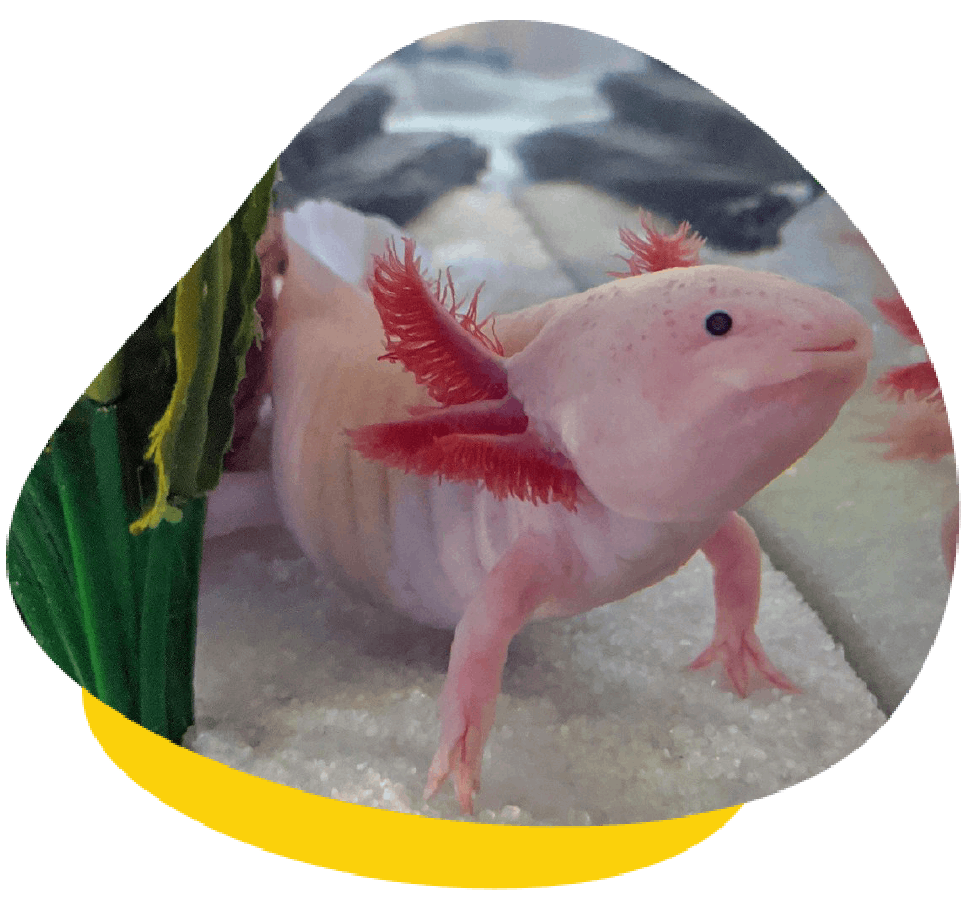
Pink axolotl with bright red gills standing on sand in an aquarium

About Axolotls

Axolotls (Ambystoma mexicanum) are captivating aquatic amphibians known for their unusual appearance, including external gills and their remarkable ability to regenerate lost body parts. In the wild, they inhabit a single lake system in Mexico and are classified as endangered, but they are now popular in the pet trade worldwide. With proper care, axolotls can live 10–12 years and sometimes even longer in captivity.

What Makes Them Unique

  • Neoteny: They retain larval features throughout life (never transition out of water).
  • Regeneration: Capable of regrowing limbs, gills, and other tissues.

Care & Husbandry

Providing a healthy and comfortable environment is essential for axolotls to thrive, as their unique biology makes them particularly sensitive to water quality, temperature, and tank conditions.

Dark wild-type axolotl close-up showing textured skin and eyes

Regardless of the type, each amphibian is best treated by a trusted amphibian veterinarian with in-depth knowledge of amphibian medicine.

Why Choose The Unusual Pet Vets?

The Unusual Pet Vets has a highly skilled team of amphibian vets that keep up to date with the best practices in nutrition, tank set-ups, water quality, care and treatment. In addition to medical care for your axolotl, we also offer professional advice, fact and care sheets to ensure that your axolotl remains healthy and is well cared for.

Our team of amphibian veterinarians provides the latest in quality care and can help with:
Diet and Nutrition Advice

General health check-ups including dietary or husbandry discussions

High-tech laboratory and the latest equipment, including onsite surgical and anaesthesia facilities

Water testing and quality

Blood and faecal analysis

Advanced diagnostic imaging (x-rays, ultrasounds and CT)

Tank Setup

  • Water temperature: 17–18 °C ideal (14–22 °C tolerated).
  • pH: Neutral (7.0–7.5).
  • Tank size: Minimum ~78 L for adults (larger improves water quality).
  • Water movement: Low flow; strong currents stress axolotls.
  • Substrate: Avoid gravel small enough to swallow. Bare bottom or large rocks preferred.
  • Axolotls prefer quiet, low-light environments with plenty of hiding places.
White axolotl resting on small rocks underwater in an aquarium

Diet & Feeding

Axolotls are carnivores that consume moving prey. They cannot chew, so food must be size-appropriate and often wiggled to encourage feeding.

Brown axolotl close-up with round eyes and a slight smile underwater

Feeding Guidelines

  • Adults: Several mouthfuls every second day.
  • Juveniles: Once to twice daily.

Suitable Foods

  • Bloodworms
  • Daphnia
  • Earthworms
  • Brine shrimp
  • Small fish (bite-sized)
  • Commercial axolotl pellets (moderate use)

Common Health Issues

Axolotls are hardy but sensitive to husbandry errors. Regular health checks help catch problems early.

Frequently Seen Conditions

  • Metabolic bone disease
  • Bloating
  • Bacterial, parasitic, or fungal infections
  • Foreign body ingestion
  • Hyperthermia from warm water
  • Obesity
  • Trauma
  • Poor water quality–related disease

Bloat in Axolotls: Can be caused by infection, inappropriate temperature and gas entrapment. Temperature control and water quality are critical.

White axolotl facing the camera in an aquarium with green plants

When to Seek Veterinary Care

If your axolotl shows unusual behaviour (loss of appetite, swelling, lethargy, floating, lumps), contact an experienced exotic vet for assessment, water quality review, and possible diagnostics.