Locations
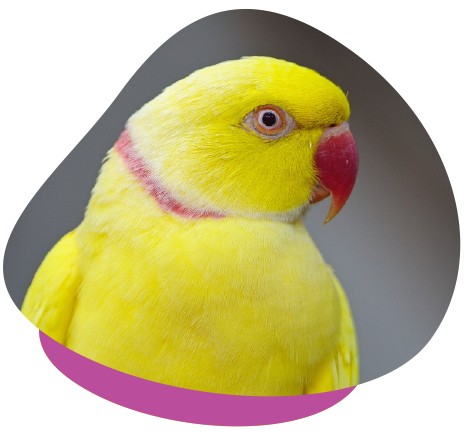
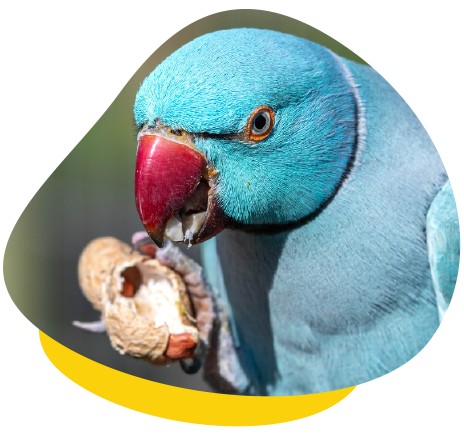
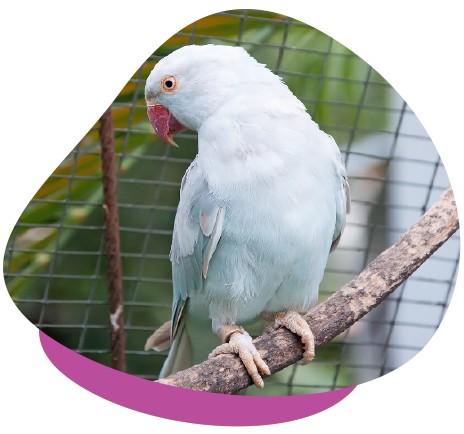
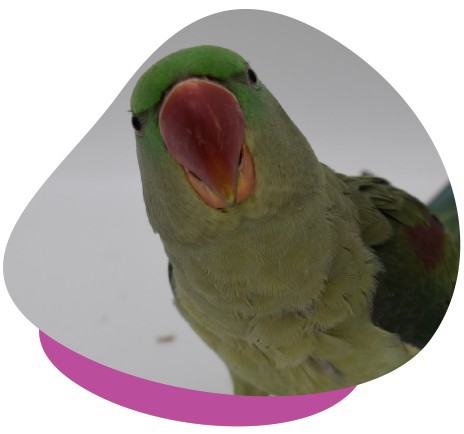
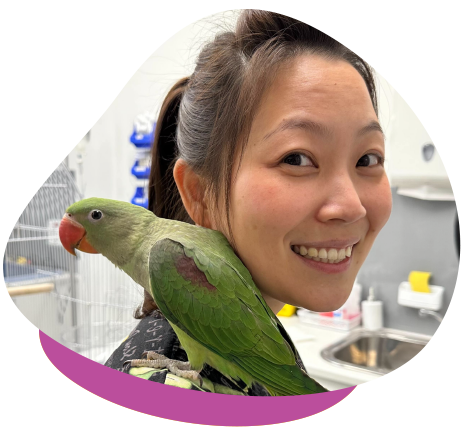
Ringneck and Alexandrine parrots are intelligent, curious and social birds that can make excellent pets in the right home. Many are very playful and vocal. Ringneck parrots are available in a wide range of colour mutation. As with all pet birds, it is important to provide them with proper diet, housing and socialization to ensure their physical and mental well-being.
Sexual dimorphism (a visual, physical difference between males and females) is evident in mature ringnecks when male individuals form a ring at the base of the neck. The ring usually forms after or around 18-24 months of age. Before this, they can be difficult to sex visually, which is where DNA or endoscopic sexing comes in. DNA sexing is generally preferred and can be performed by taking a drop of blood from your parrot.
Males and females of either species can make excellent pets, and the sex of the bird doesn’t generally impact how good of a pet they will make.