Amazon Parrot Care Guide

09/02/2026

Amazon parrots are part of the diverse genus Amazona, which includes 32 species. In
Australia, the species most commonly seen as pets are Blue-fronted and Yellow-crowned
Amazons, large parrots native to South America.

These birds are highly intelligent and known for their ability to learn words, phrases, and
songs, and even use them in context. This intelligence comes with a caveat that they
can be very noisy as pets. In the wild, Amazon parrots are monogamous, but in the wild,
they live in large social groups.
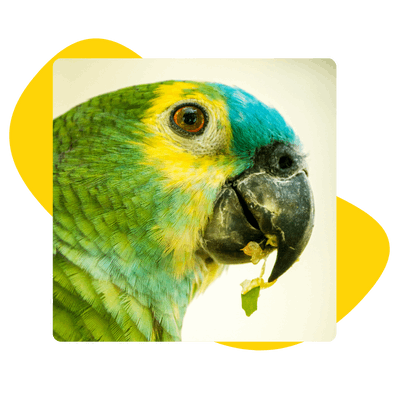

Close-up of a green Amazon parrot with yellow and blue feathers around the face

Diet and Nutrition

In the wild, Amazon parrots fly long distances daily to forage for seeds, nuts,
fruits, and plants. While it’s impossible to replicate a wild diet exactly in captivity,
a balanced diet should aim to provide nutrition while avoiding excessive high energy
foods.

Recommended diet for captive Amazon parrots:

  • 60% formulated commercial pellet diet
  • 30% fresh vegetables (capsicum, broccoli, chili, zucchini, leafy greens, squash, pumpkin, legumes, peas)
  • 8% seed and fruit
  • 2% treats for training and foraging (nuts, sunflower seeds)

Foraging is essential for your parrot’s nutrition, mental stimulation, and natural
behaviour. Offering food in foraging toys or hiding it around the cage helps be
shedding Salmonella in their faeces. The bacteria can also contaminate their
skin, environment, and anything they touch.

Housing

Amazon parrots have strong, destructive beaks and can damage furniture if left
unattended. Safe housing tips:

  • Keep them away from foreign or toxic objects.
  • Use natural materials such as wood or paper for toys; avoid string or rope toys as fraying can cause gastrointestinal obstruction.
  • Choose a powder-coated or stainless-steel cage of appropriate size.
  • Avoid painted or galvanised cages (risk of lead or zinc toxicity)
  • Use stainless steel or ceramic bowls for food and water; avoid plastic as it can become porous and harbour bacteria.

Perches:

  • Provide perches of varying sizes to exercise toes maintain foot health, and promote natural nail wear
  • Natural branches from safe native trees are ideal

Sleep:

  • Adequate sleep is essential. Aim for 12 hours of uninterrupted sleep (natural winter day length) to prevent excessive moulting and reproductive activity.
Amazon parrot with blue and yellow face wrapped in a dark towel

Common Health Concerns

Amazon parrots are prone to certain health issues, including:

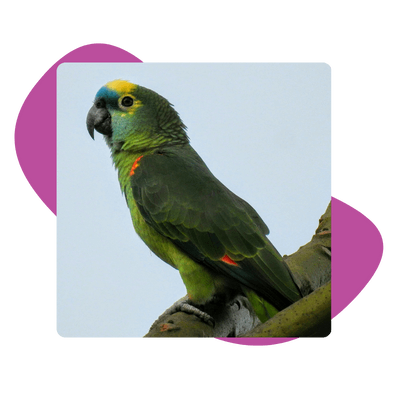
Amazon parrot perched on a tree branch outdoors with green plumage and yellow head

Respiratory disease:

  • Often caused by inadequate vitamin A in the diet.
  • Signs: sneezing, nasal or ocular discharge
  • Prompt veterinary assessment is recommended, as causes vary.

Chlamydia infection:

Common in young birds
Serious, transmissible to both birds and humans

Foreign object ingestion:

  • These curious birds may chew or swallow unsafe items (jewellery, plastic, rope toys,
    electrical cords)
  • If you suspect ingestion, contact your vet immediately

Veterinary Care

  • Regular check-ups every 6–12 months are vital, as birds can hide illness. These appointments allow early detection of problems.

Microchipping:

  • Highly recommended to help reunite lost birds with their owners
  • A small microchip is inserted into the pectoral muscle during a routine consultation

If you have any questions about your Amazon parrot, please contact us directly or book
an appointment online. We’re here to help!

Amazon parrot wrapped in a towel being gently held during veterinary care
Share